
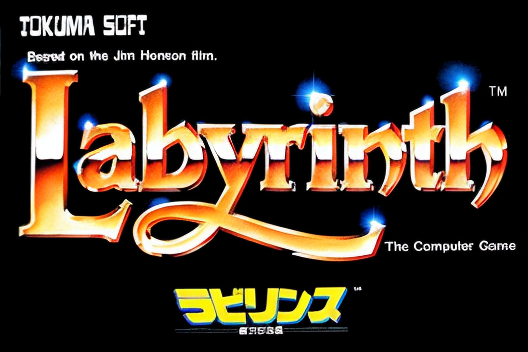
Labyrinth Maō no Meikyū: Tokuma Shoten Publishing Classic Famicom Title
Labyrinth Maō no Meikyū, Labyrinth: The Demon King’s Maze, is a licensed fantasy adventure published by Tokuma Shoten for the Japanese Famicom, based on the Jim Henson fantasy motion picture Labyrinth. Players control Sarah navigating a massive twisting underground labyrinth to rescue her baby brother from the Goblin King Jareth. Blending puzzle solving, enemy evasion and room-to-room exploration, the title translates the film’s whimsical, dangerous maze atmosphere into 8-bit console gameplay.
The labyrinth is built from dozens of interconnected chambers separated by locked gates, shifting walls and guarded passages. Players interact with environmental objects, collect key items and converse with magical creatures to uncover solutions to obstacles. Many puzzles demand careful observation rather than combat skill; brute force approaches often trigger negative outcomes and dead ends.
Goblin patrols wander many corridors. Direct contact triggers confrontations that consume limited resources. Hidden shortcut passages allow dedicated explorers to skip large maze sections if discovered. Multiple subtle story branches influence the final confrontation with the Goblin King deep within the central castle zone.
Tokuma Shoten’s adaptation uses dreamlike fantasy backdrops inspired by the movie’s visual aesthetic. Mysterious melodic looping background music maintains the surreal, enchanted atmosphere of the original Labyrinth film throughout maze traversal.
Strategically, effective maze navigation requires remembering room connections and puzzle clue locations. Charging forward without recording landmark positions leads to endless looping through identical-looking corridors.
For contemporary Famicom retro collectors researching Western fantasy film licensed games, Labyrinth stands as a distinctive puzzle-focused movie tie-in curio, prioritising exploration and riddles over typical arcade combat mechanics common among mid-era licensed releases.