
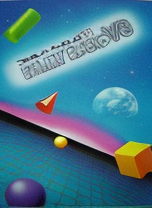
Family Basic V3: Nintendo Classic Famicom Title
Family Basic V3 is the revised third iteration of Nintendo’s unique BASIC programming cartridge for the Japanese Famicom, an upgraded version of the original Family Basic released to expand available commands, improve editor functionality and fix minor limitations present in earlier revisions. Exclusive to Japan and never localised for Western markets, this software transforms the Famicom into an affordable home computer, allowing hobbyists to write, test and run custom BASIC programs for graphics, sound, simple games and interactive simulations. At a time when dedicated personal computers carried steep price tags, Family Basic V3 offered young students and beginner programmers an accessible entry point to coding using hardware many families already owned for gaming.
The package implements an expanded custom BASIC dialect optimised for Famicom architecture. New graphical commands, enhanced sprite control and extended audio subroutines added in V3 enable more complex animations and music composition compared to the original release. Users can draw bitmap graphics, animate hardware sprites, construct scrolling backgrounds and sequence multi-channel musical notes. Code entry requires the separate external keyboard peripheral; the standard gamepad cannot input text efficiently, making the keyboard mandatory for practical programming work.
Two primary operating modes support different workflow needs. Immediate direct mode executes single lines of BASIC instantly, perfect for testing individual graphics or sound commands. Program mode supports writing, editing and saving multi-line program listings. Data persistence relies on compatible cassette tape recorders connected to the Famicom’s external port, allowing users to archive homemade programs before memory backup cartridges became widespread. Preloaded demonstration programs showcase sprite animation, melody playback and mini-game logic to serve as learning templates for new coders.
Hardware boundaries remain consistent with Famicom specifications. System RAM restricts maximum program size, active sprite count and simultaneous sound channels. Even with these limits, skilled hobby programmers created surprisingly polished original games, artwork and music throughout the late 1980s. Printed Japanese computer magazines regularly shared user-written program code, fostering a thriving pre-internet community of Famicom BASIC developers exchanging creations.
The user interface uses Japanese menu text and command documentation, confirming the cartridge’s domestic Japan-only status. Visual output adheres to standard Famicom display resolution and colour palette, so all user-generated graphics render natively without conversion layers. Audio commands grant full access to the console’s three sound channels and noise generator, enabling authentic chiptune composition.
Strategically, Family Basic V3 illustrates Nintendo’s broad vision for the Famicom as multi-purpose household hardware rather than merely a game-playing toy. While sales never matched entertainment cartridges, the programming software attracted education-focused consumers and hobbyist coders that would not purchase the console solely for arcade games.
For modern retro computing collectors, complete setups including Family Basic V3 cartridge, official keyboard and cassette storage equipment command significant value within enthusiast circles. Preserved homemade programs from the 1980s remain valuable artifacts of early consumer 8-bit game development. As Nintendo’s most refined official Famicom programming environment, Family Basic V3 holds irreplaceable historical importance within the console’s diverse software ecosystem.